
Since I recently returned from a trip to the Montenegrin town of Budva, I decided to follow up on my earlier article, “What’s Worth Seeing in the Budva Foothills.” If you’re in Budva or the surrounding area and have a few hours to spare in the morning, why not try following in my footsteps…
*The Village of Ivanovići and Its Surroundings*
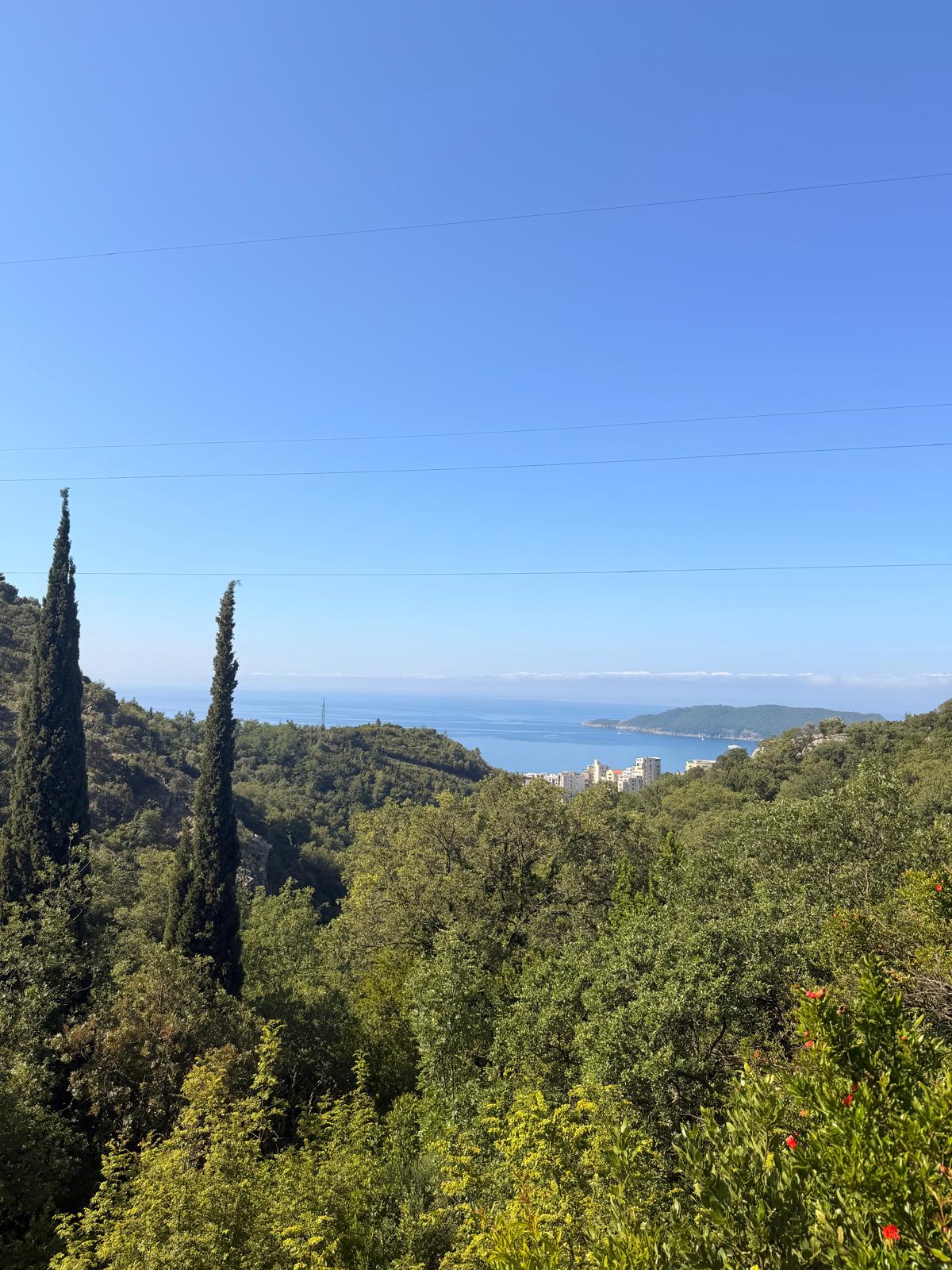
Just under 3 kilometers from Bečići Beach, nestled on the hillsides at an elevation of 200 meters, lies the peaceful mountain village of Ivanovići. You can easily get here by car, and there are plenty of parking spaces. There’s hardly any hustle and bustle here, so you’ll thoroughly enjoy your stay. There are several very interesting tourist attractions in the area that are well worth seeing. You’ll also find great views of the Adriatic Sea and the island of Sveti Nikola.
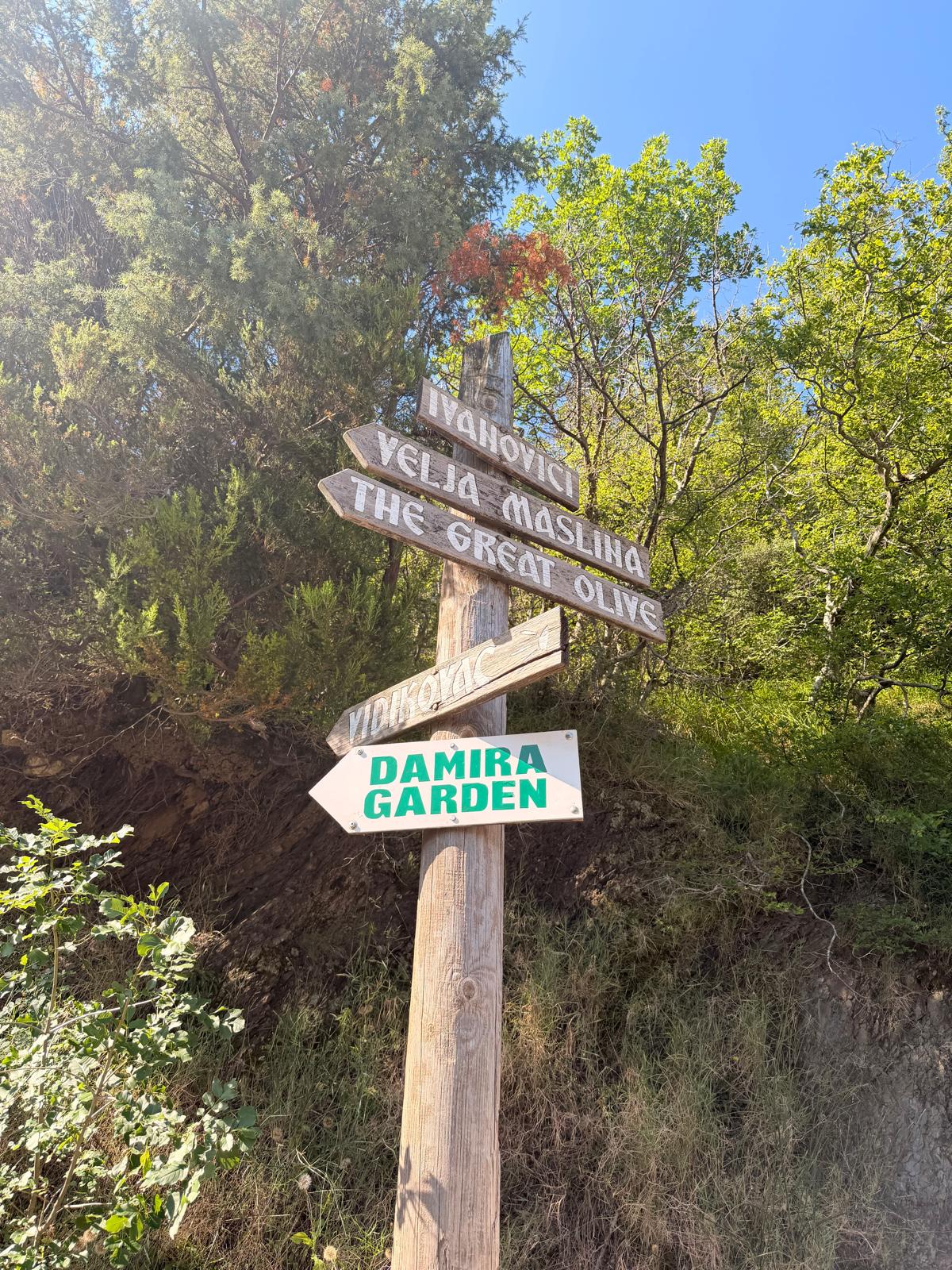
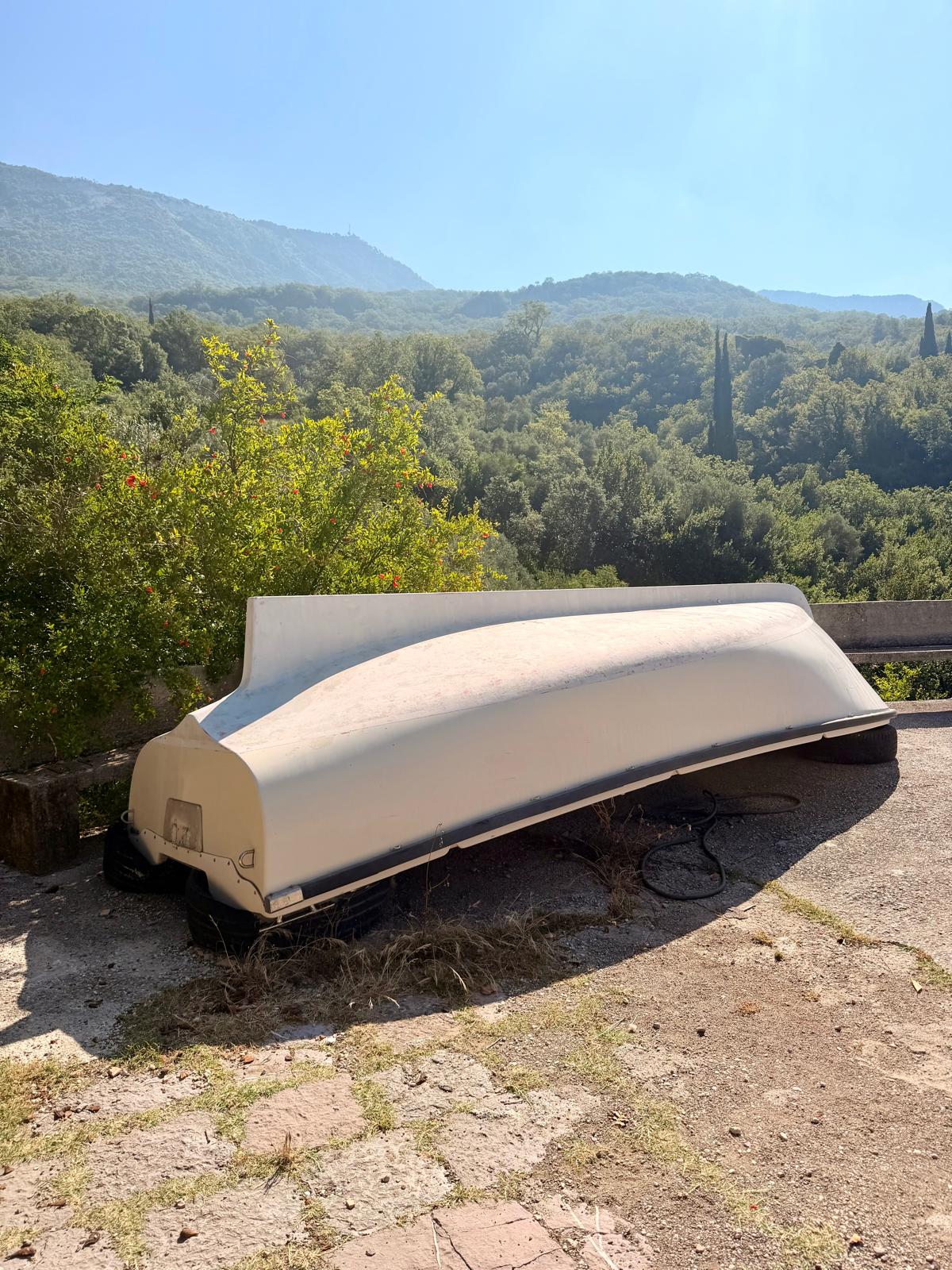
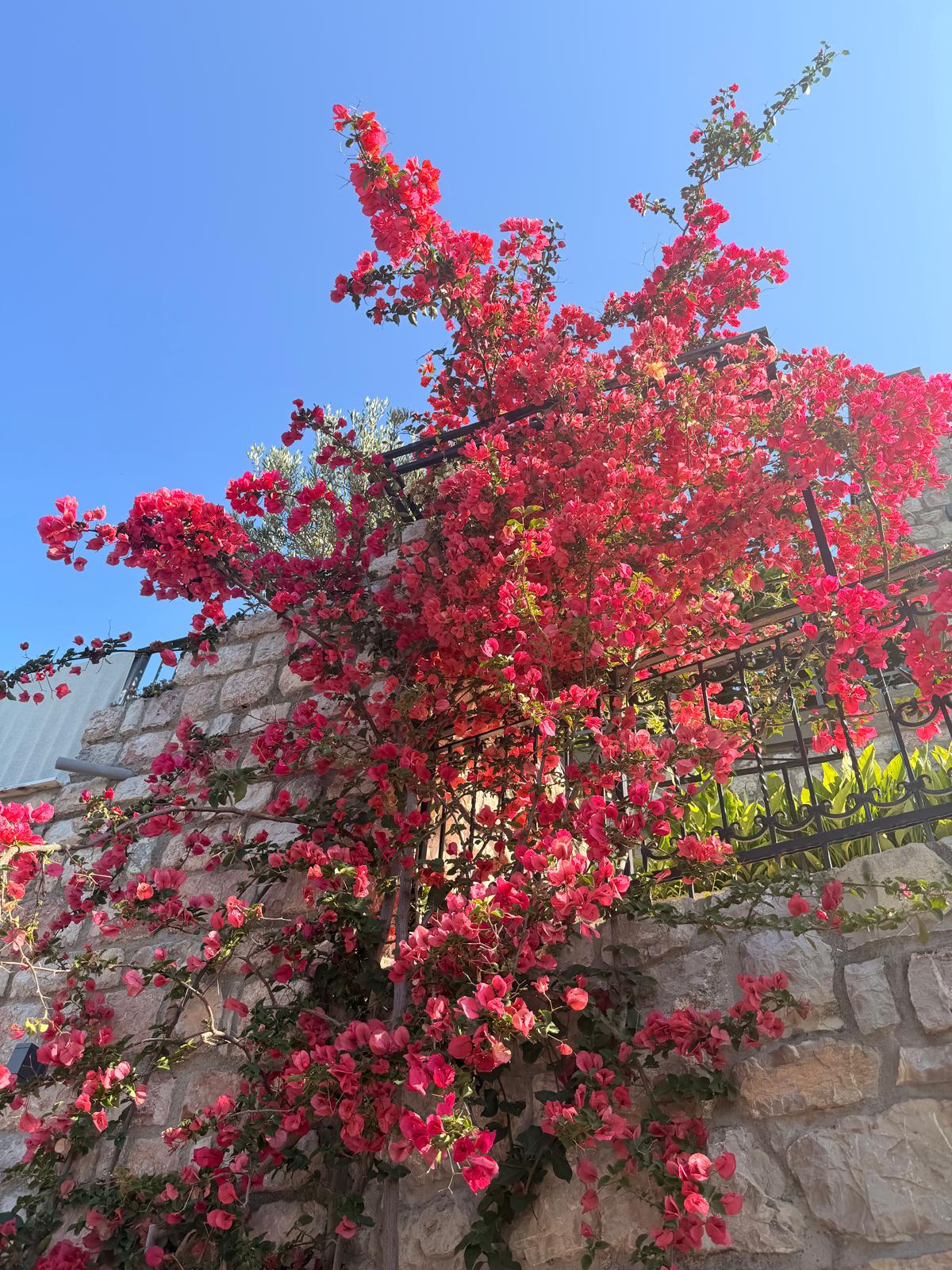
I walked just a few dozen meters from the parking lot and was immediately drawn to a structure that reflects the traditional way of life of the local residents—an old threshing floor (“gumno”), which was used for threshing grain but also served as a place for social gatherings and celebrations. Although it is located on private property and behind a fence, the locals allow visitors to enter the property and take a closer look at the threshing floor without any strings attached.
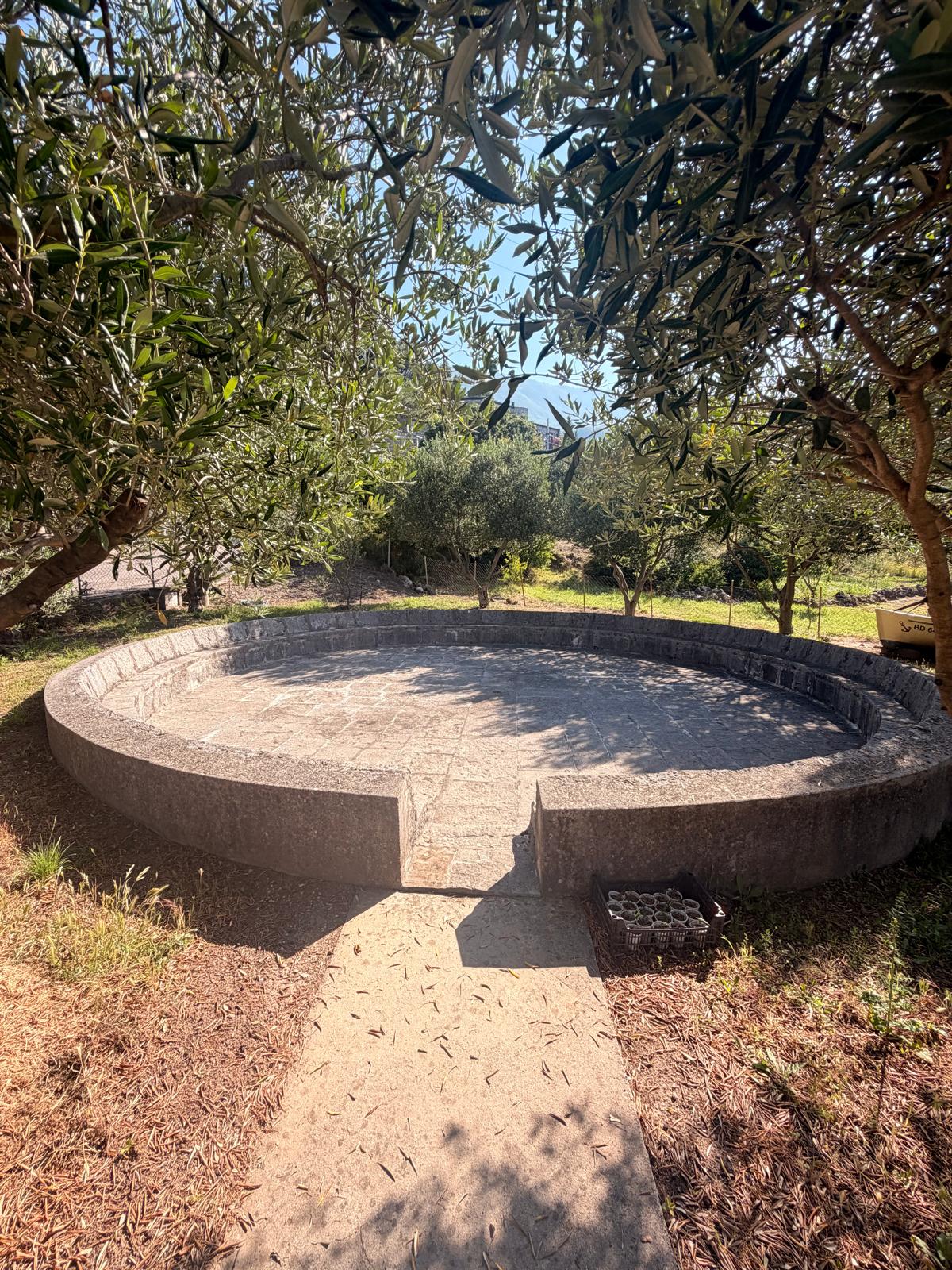
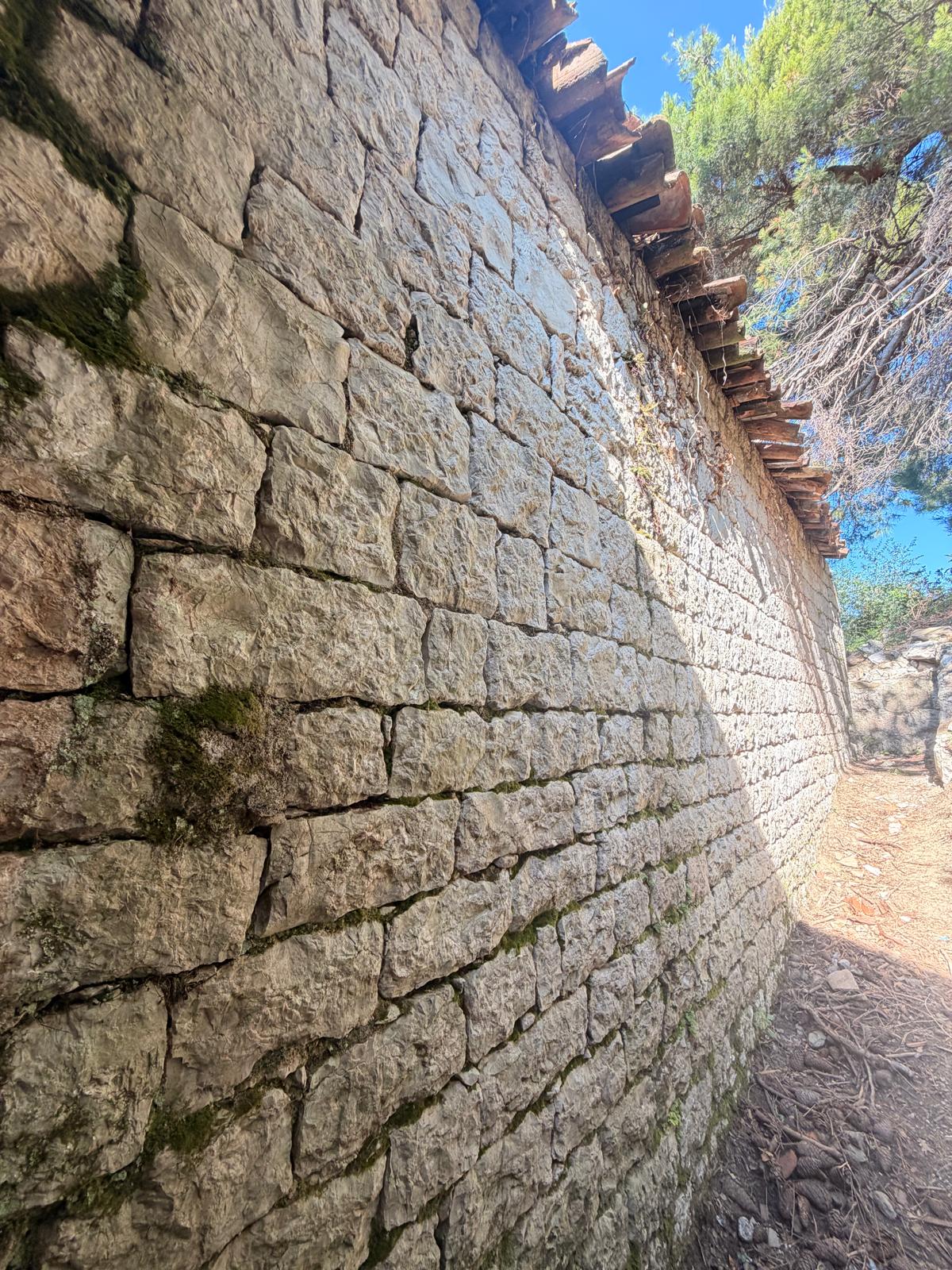
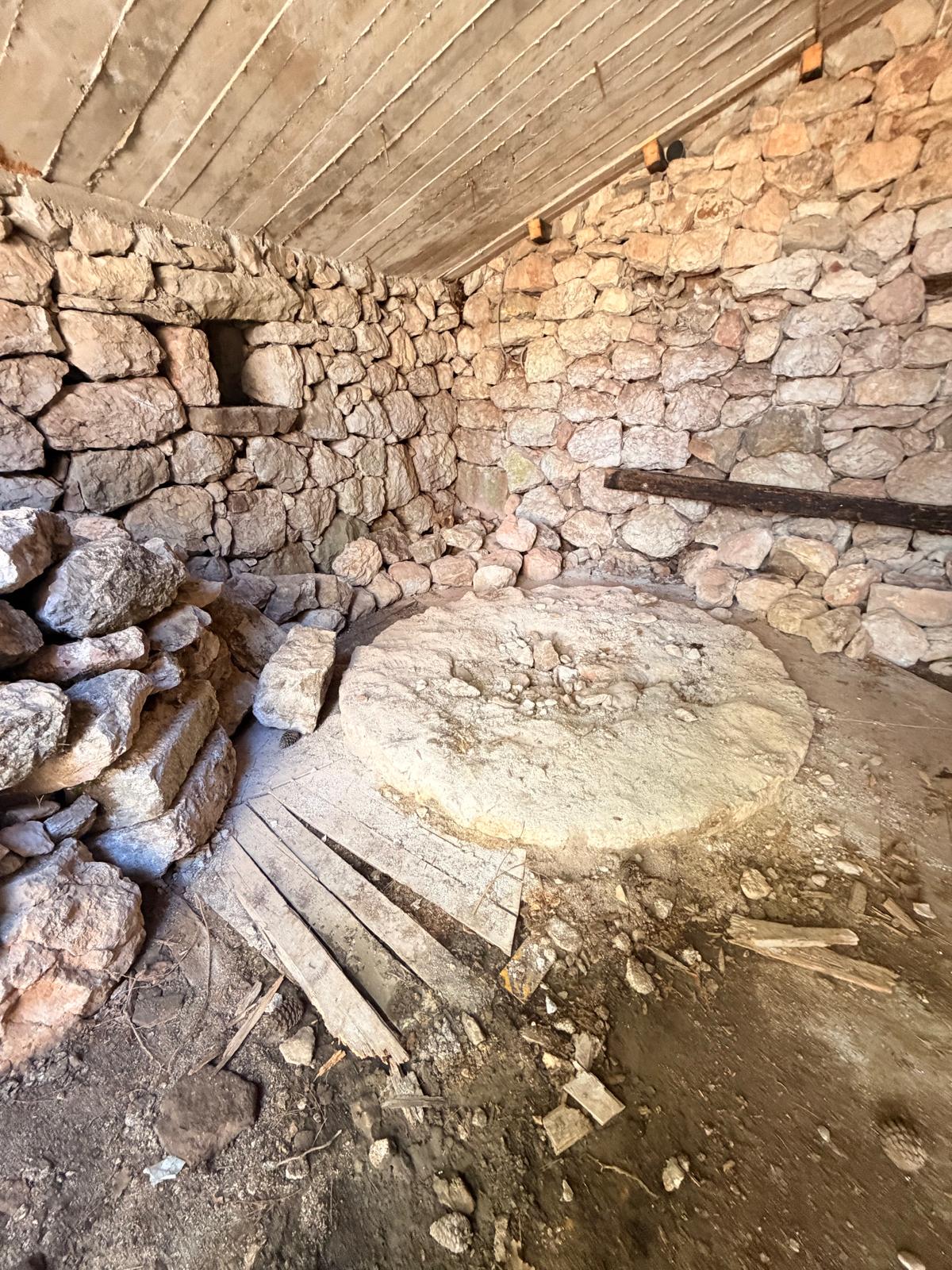
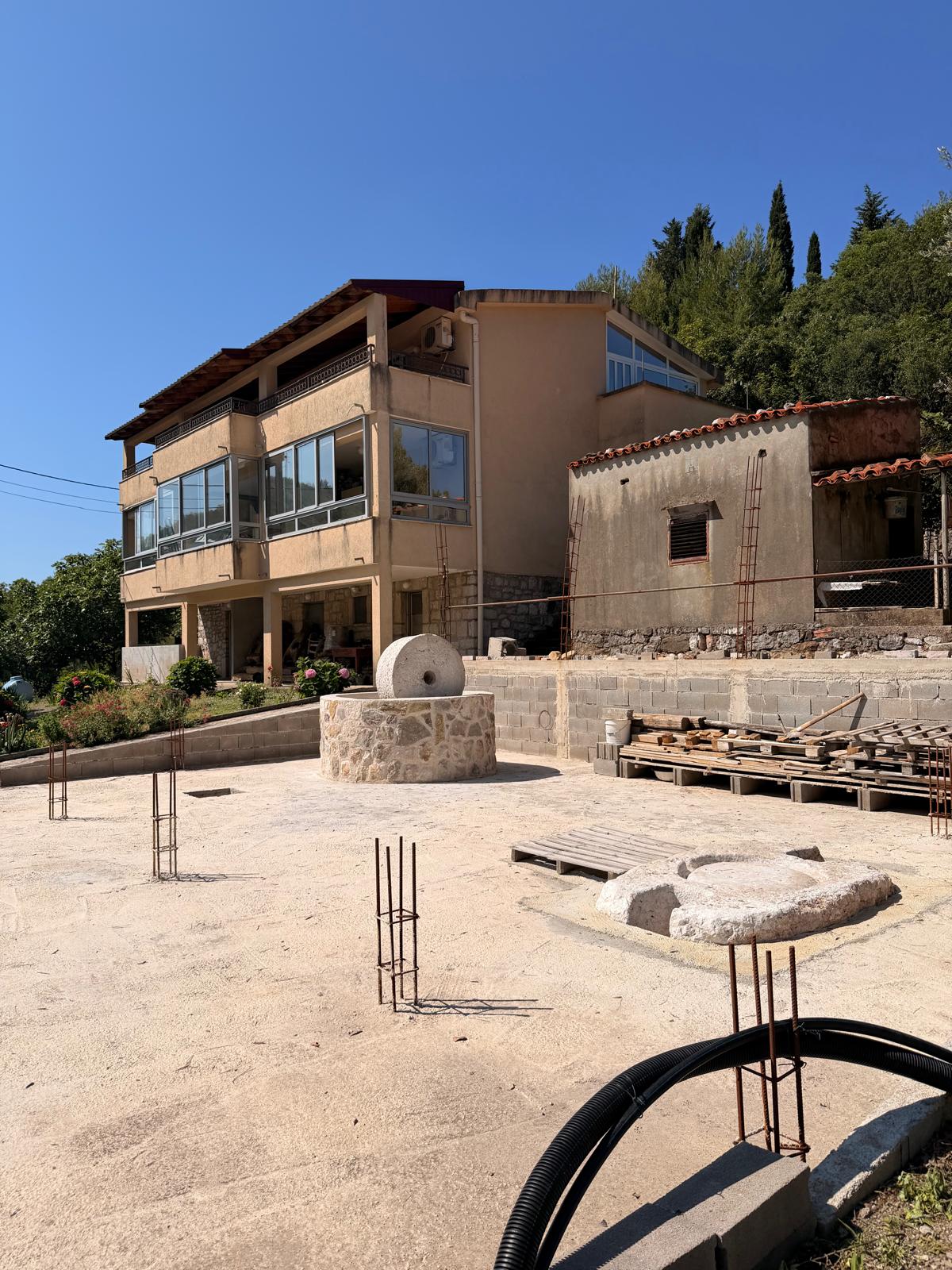
My next steps led me to a building marked on the map as the “old olive mill.” While looking for it, I felt a little uncertain, since I had to step onto private property. It helped that a local man was walking by, who confirmed that I was on the right track. He also explained that all that remained of the old mill were the walls, as they were trying to restore it and were gradually moving everything from it to the property where the barn is located. Even though it was just “walls,” I liked it there. There was a unique atmosphere. The mill itself was built in 1886 and “ground” grain for the last time in 1974. It was powered by oxen that turned the millstone.
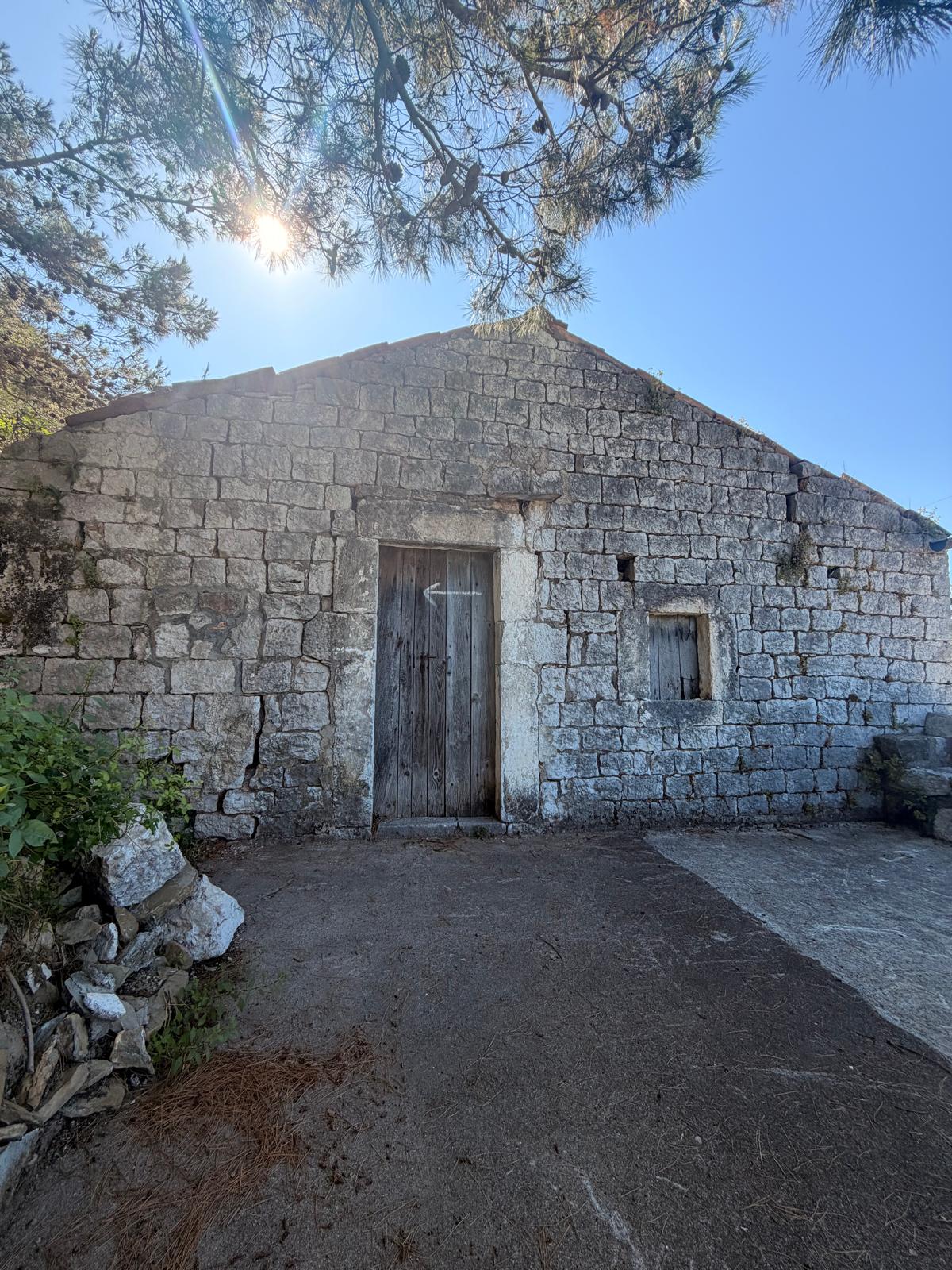
And then came the moment I’d been especially looking forward to—a visit to the Velika Maslina olive tree, the main historical landmark of the village of Ivanovići. The walk there isn’t difficult; it’s only about 200 meters. First, you walk through the village on a paved road and then along a newly built path to the olive grove, which is dominated by the Velika Maslina olive tree. It’s more than 2,000 years old and dates back to the time of the Illyrians, who inhabited this region in prehistoric times.
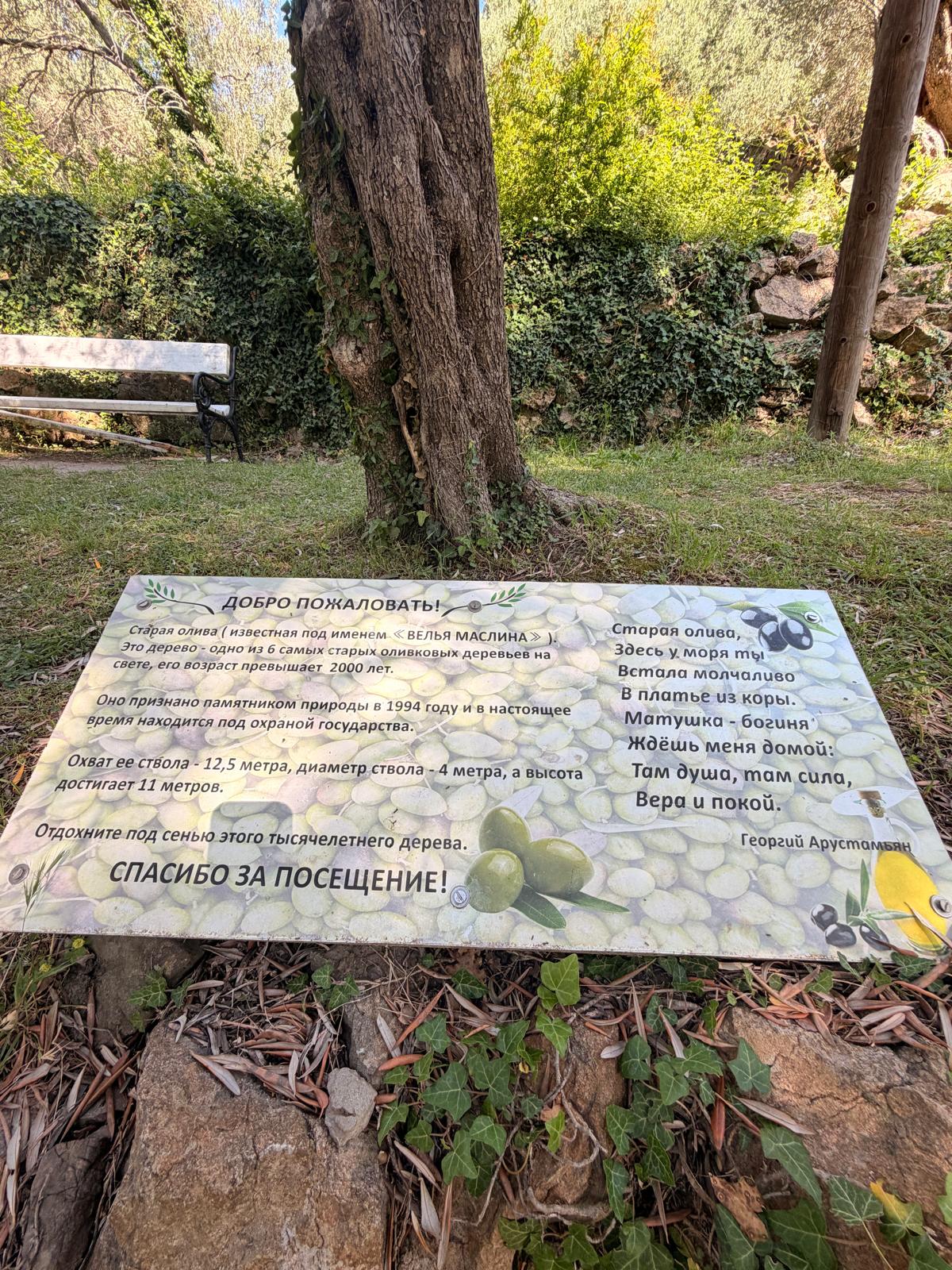


It is one of the few oldest olive trees in the world, dating back more than 2,000 years—apart from this one, there are only five other olive trees of a similar age: the Holy Olive Tree in Jerusalem (at the foot of the Mount of Olives), under which Jesus was arrested and taken away to be put on trial while he was praying; the olive tree in Tunisia (which dates back to the Punic Wars of the 3rd and 2nd centuries B.C.); the olive tree in Palermo; the “Stara Maslina” in the Montenegrin town of Bar; and the oldest olive tree in Athens, under which the ancient Greek philosopher Platon used to sit.


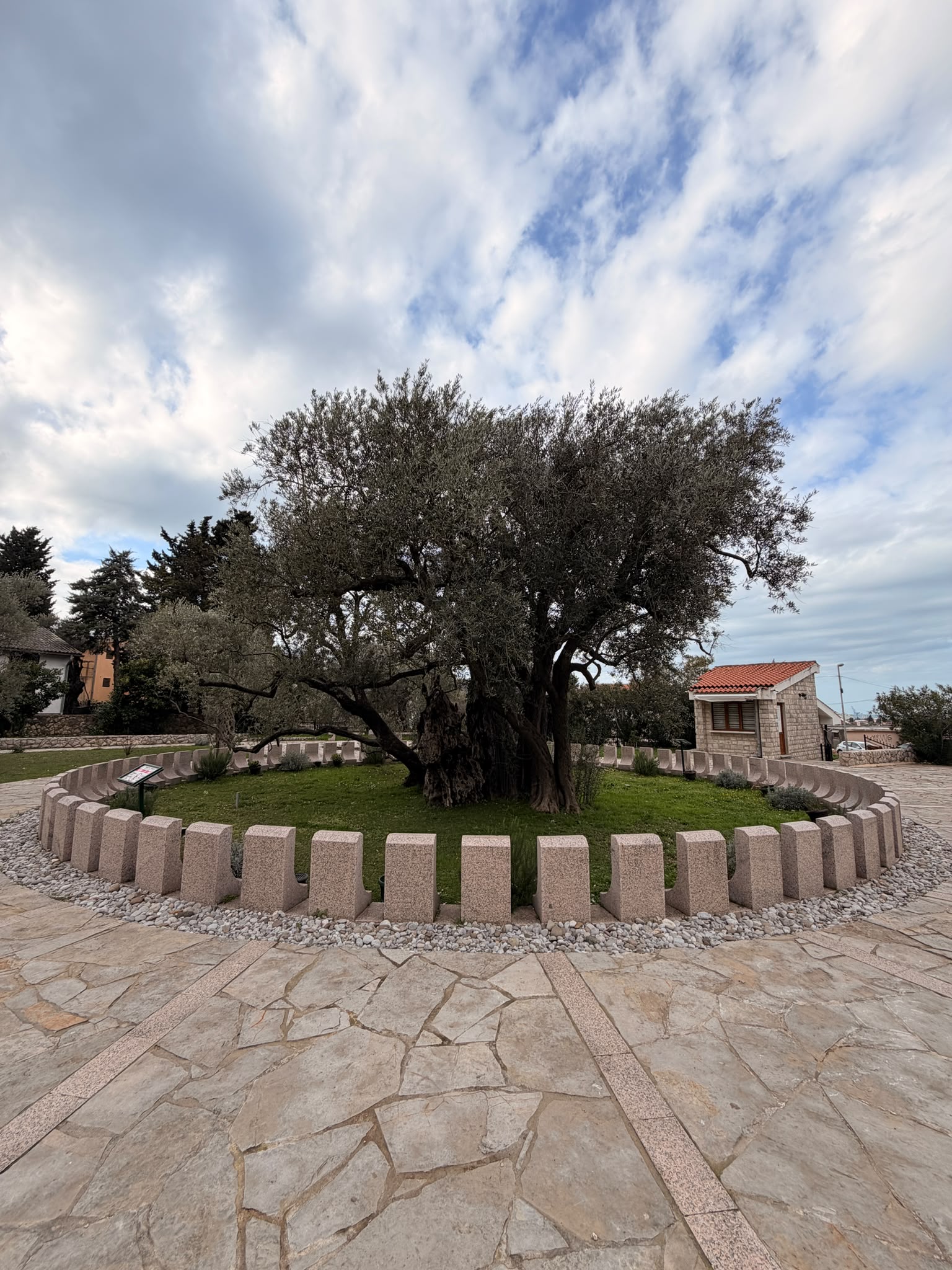
Velika Maslina was designated a natural monument in 1994. It is truly impressive in size—it stands 11 meters tall, and the trunk’s diameter above ground is 4 meters (the circumference at the root nodes is 12.5 meters). It belongs to the “žutica” olive variety. And… it still “bears fruit.” Its yield is equivalent to the annual output of one olive mill, which amounts to about 250 kg of olives and 40 liters of high-quality olive oil.

The residents of the village of Ivanovići have long believed that the Velika Maslina has supernatural properties. These manifest in the emanation of positive energy, which promotes calm, relaxation, and spiritual purification. In other words, the olive tree allows a person to achieve harmony with their surroundings and their inner “processes.” People found comfort and encouragement by the tree. Even today, there are a few benches here where you can soak up the atmosphere of this place.
The village’s older residents claim that another old olive tree, even larger than Velika Maslina itself, once grew nearby. However, it was destroyed by fire in 1907.
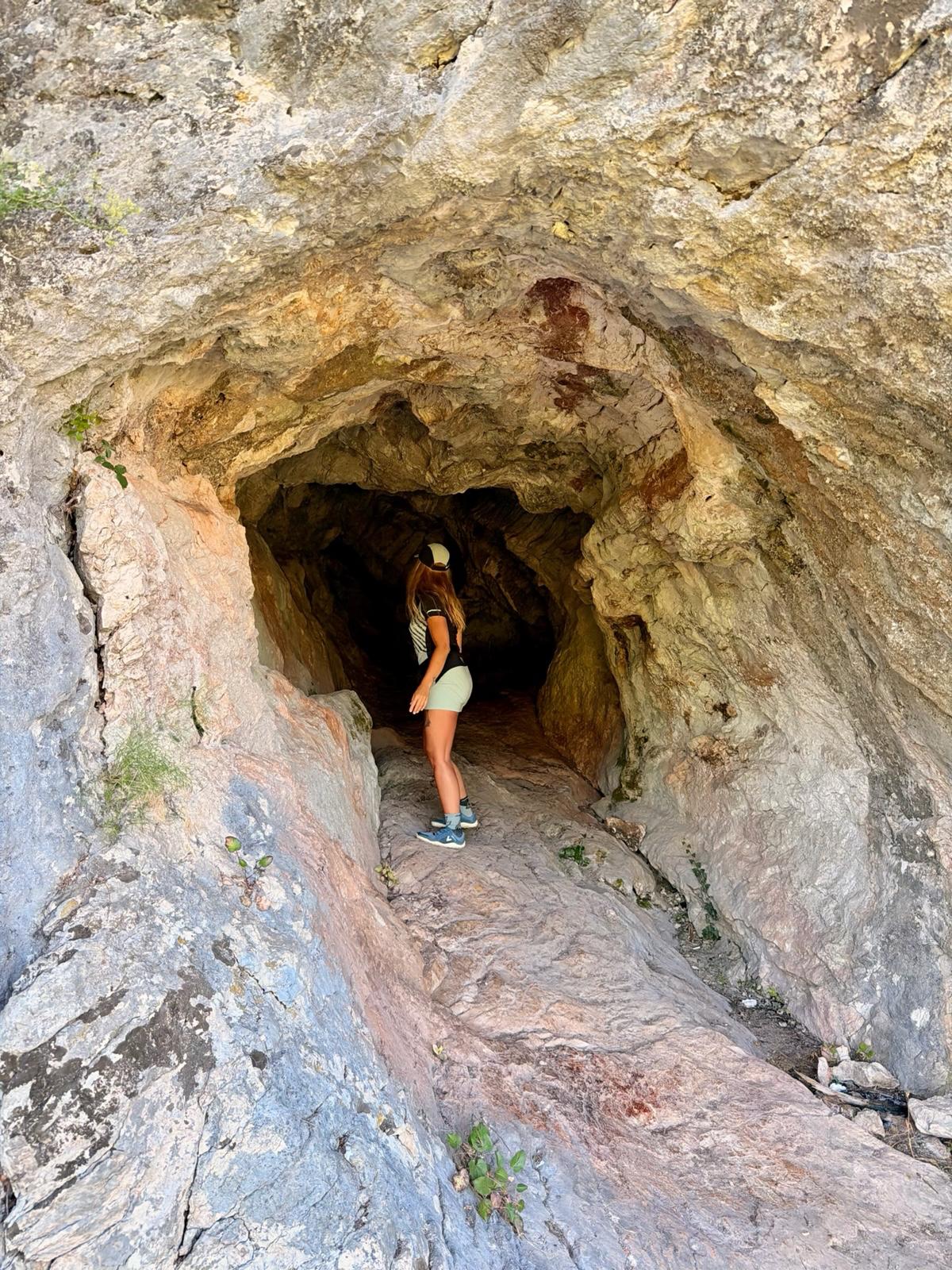
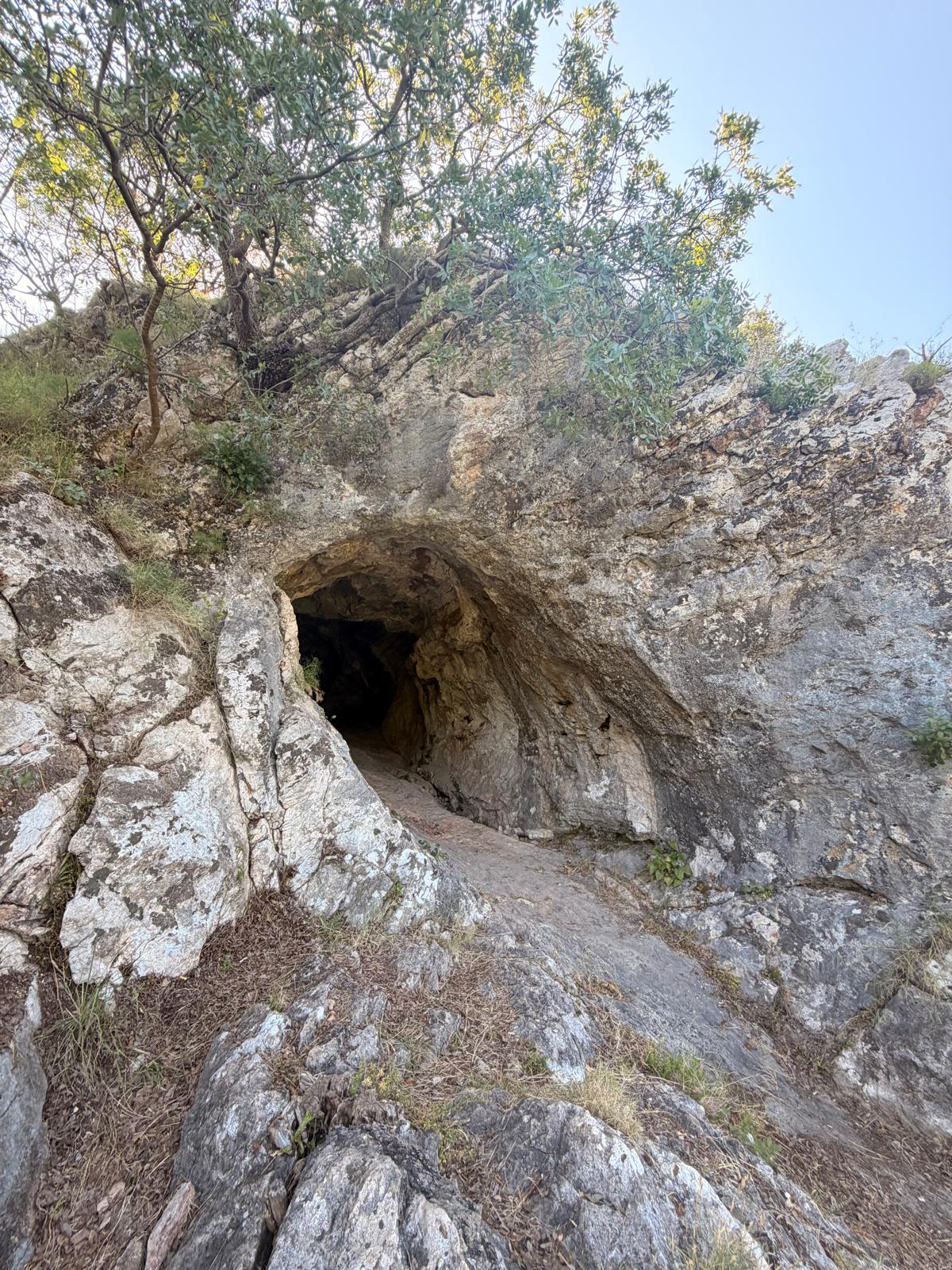
I’m heading back. But I don’t plan on ending my walk just yet, since I know there’s a cave called Jazbina not far from the village. When you’re returning from the olive grove, before you reach the paved road, look for a trail leading down to the left. The cave is located on the steep slopes of Tršljikovica Hill and is surrounded by lush Mediterranean vegetation.

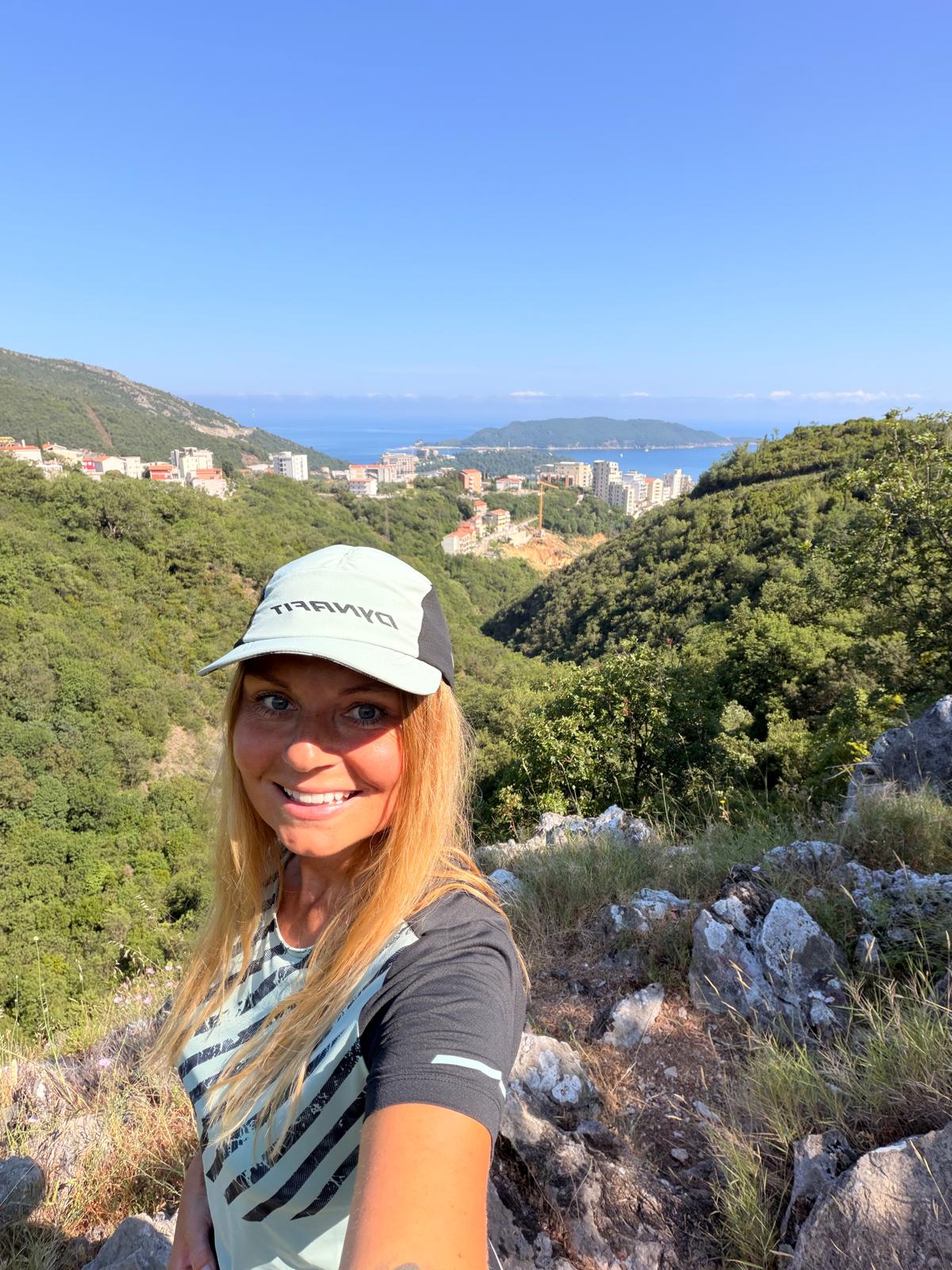
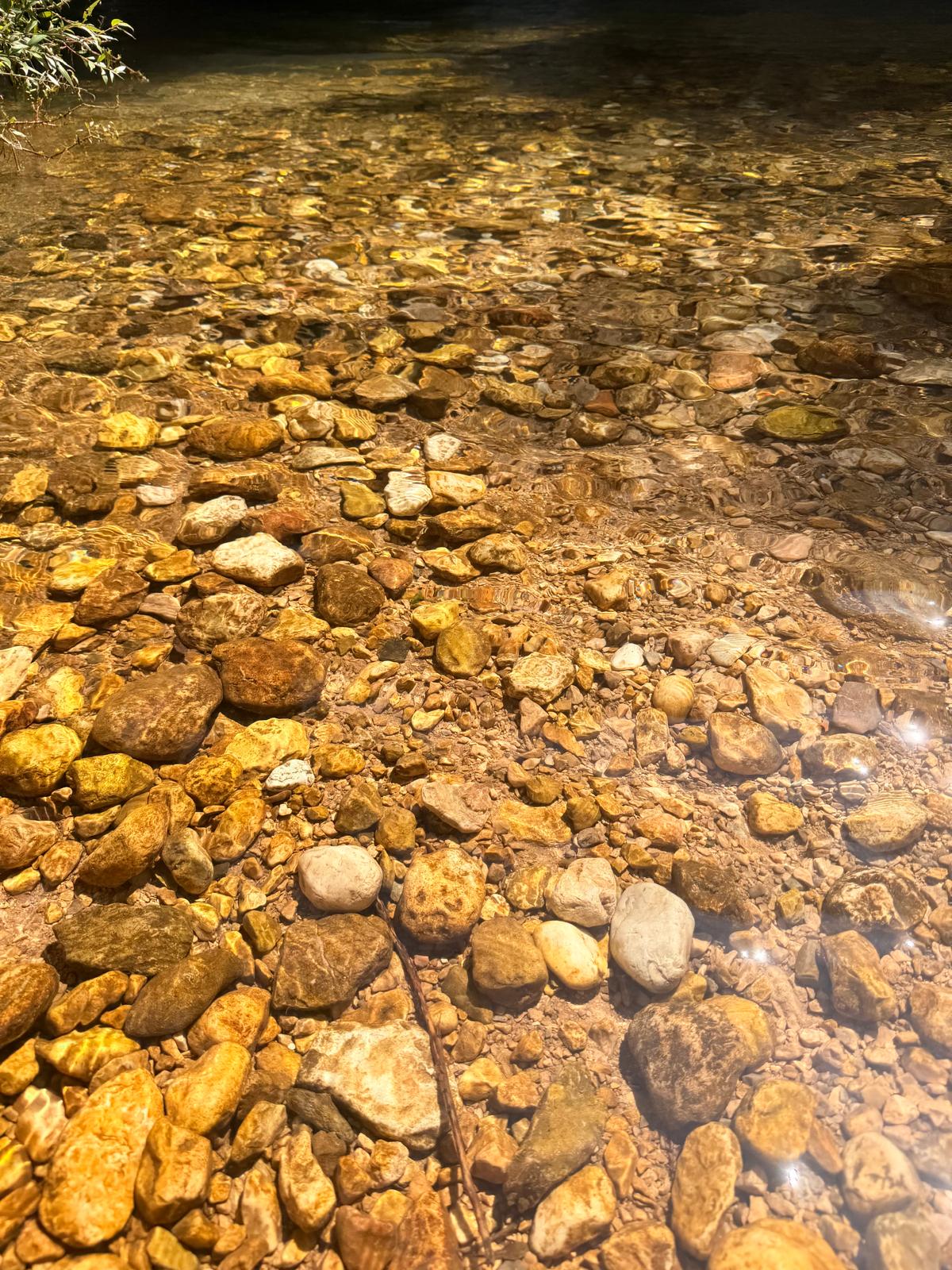
From the turnoff, the trail leads down through a small valley, and then you have to walk the rest of the way to the cave. The round-trip route is about one kilometer long. Along the way, you’ll pass several springs, and for a while you’ll walk alongside the Kukački Stream, which has some beautiful spots where you’d love to take a dip right away.
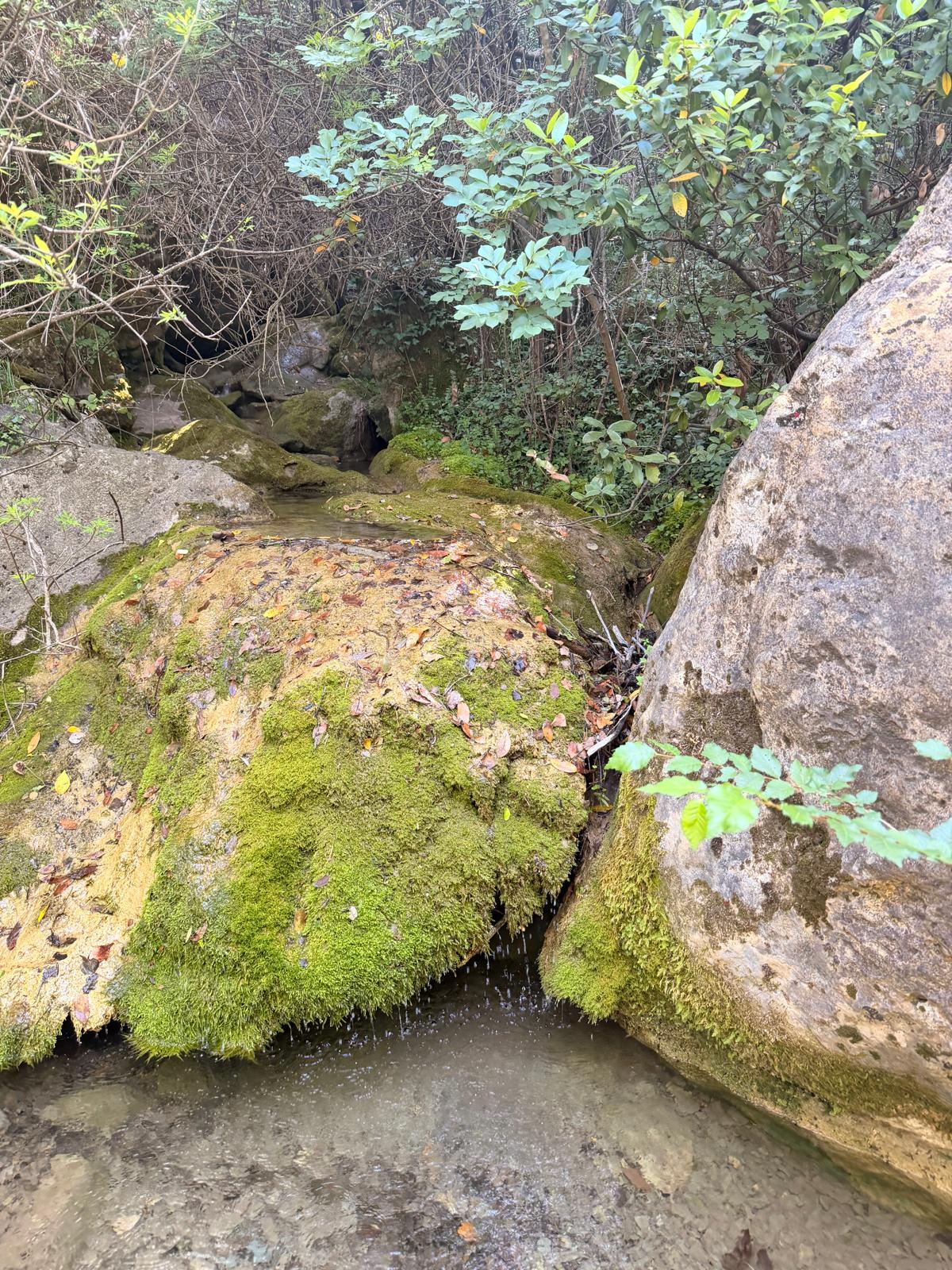


You need to be careful only during the final stretch of the climb, where the trail is steep and rocky; for some, it might even feel like climbing, but it’s a short section and doesn’t take much effort.
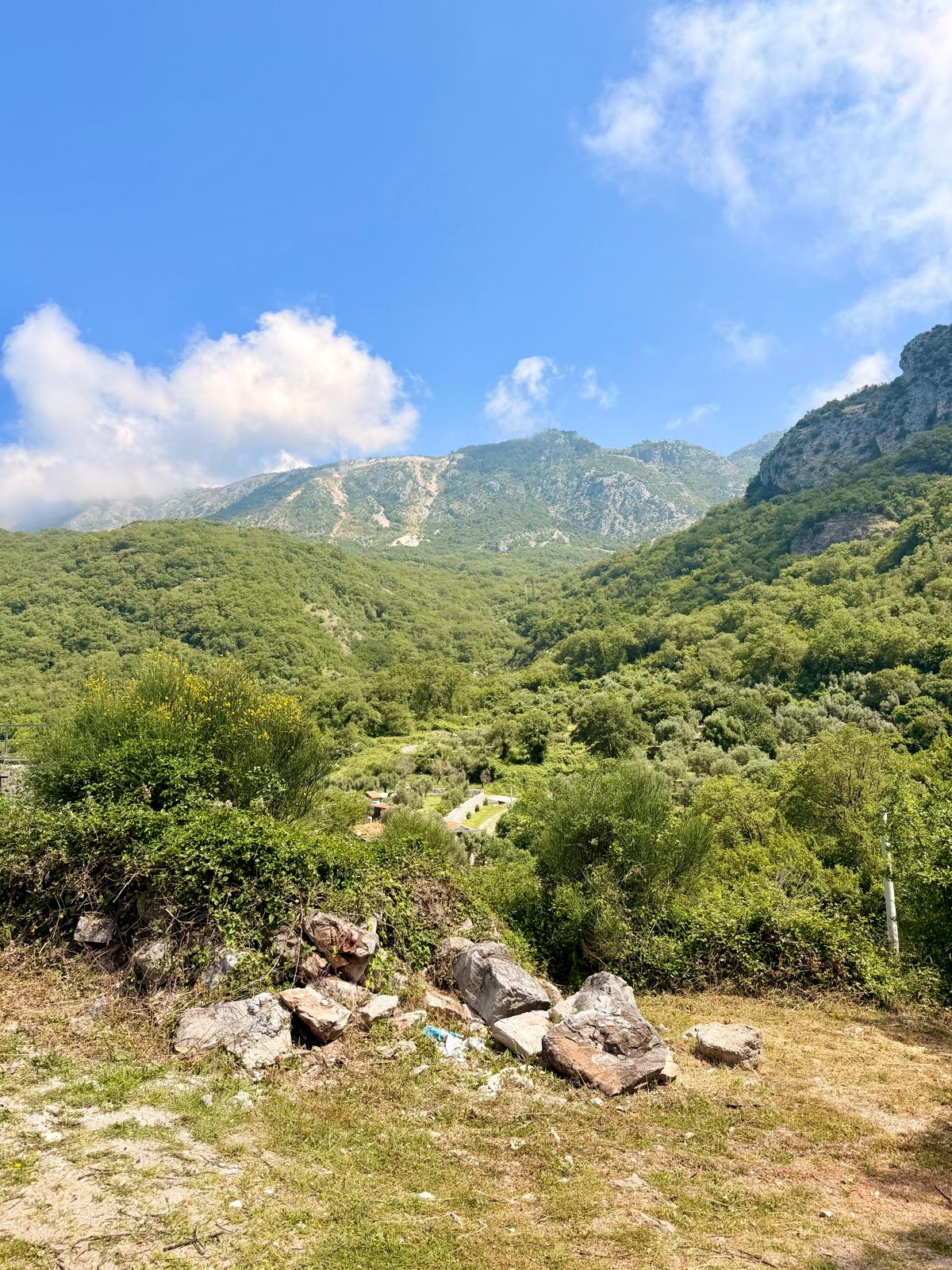

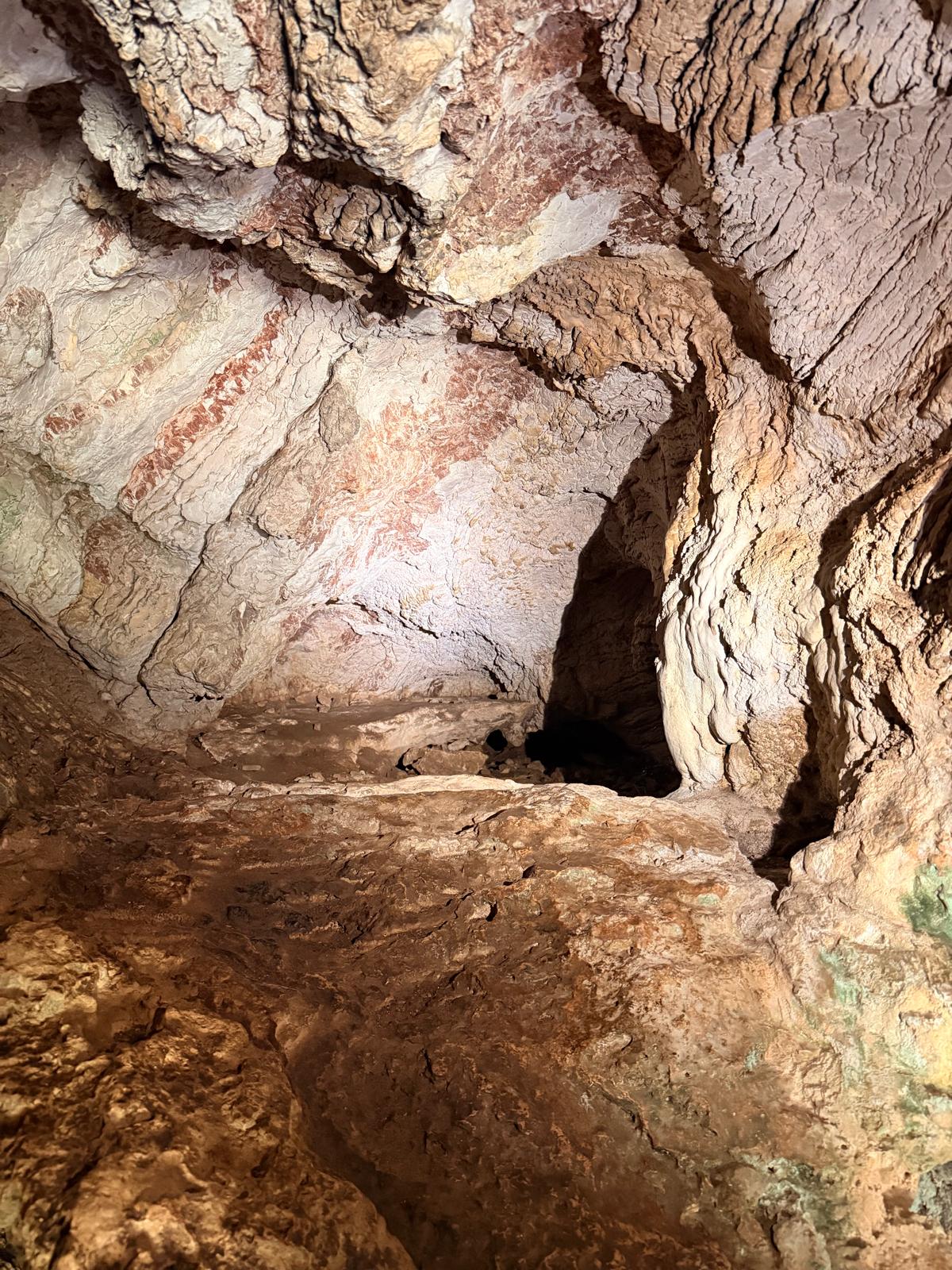
The cave is relatively small, consisting of a tunnel 2.5 meters wide and high, with a horizontal length of 18 meters. It is a natural underground cavity. It offers beautiful views and shade…



*The Village of Čučuci and Its Surroundings*
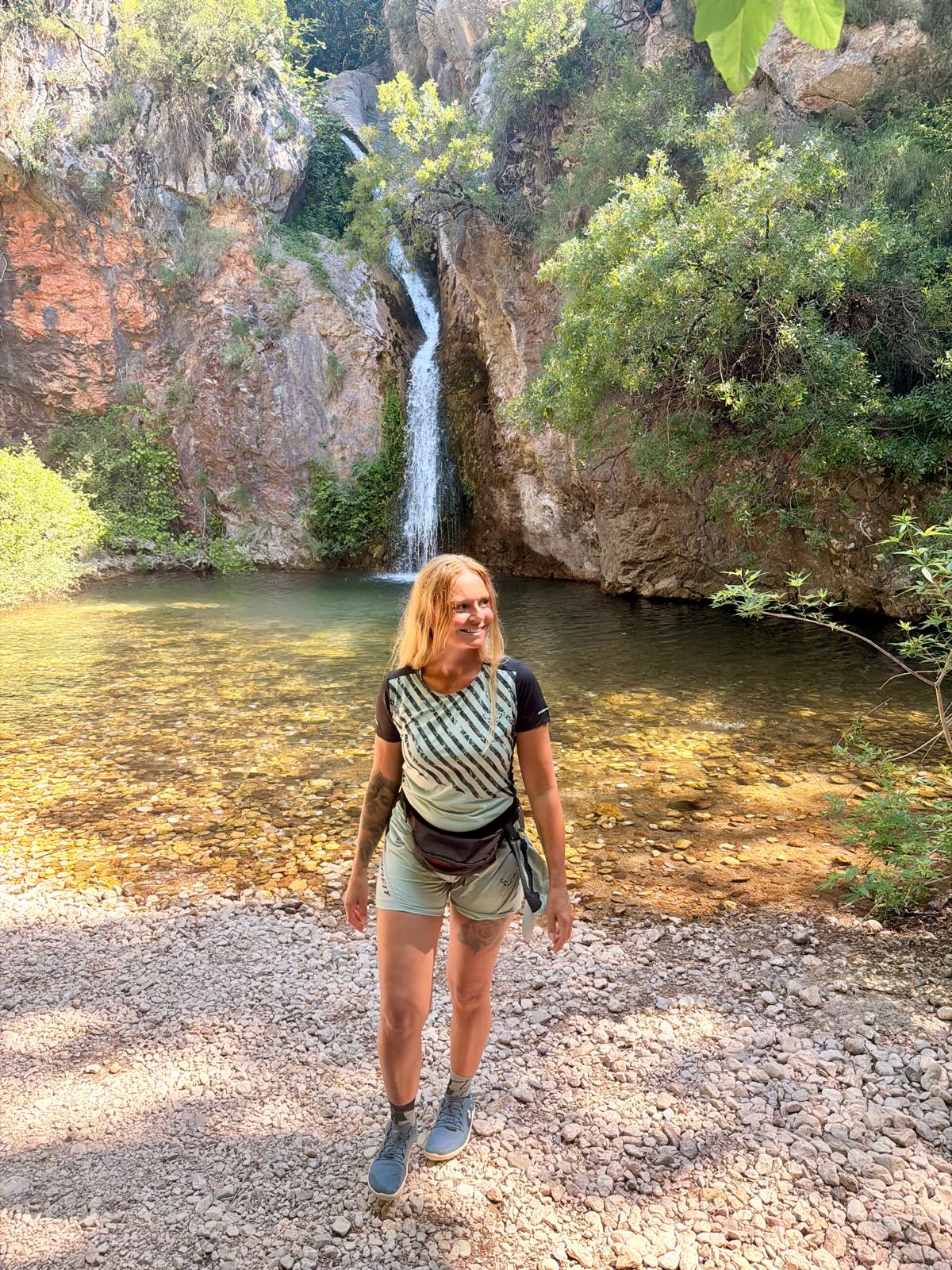
If you want to cool off a bit, I recommend visiting the Čučuci Waterfall in the village of the same name above Budva. It’s only 1.5 km from Bečići; if you prefer, you can drive part of the way and walk the last 200 meters. Don’t be put off if it seems like the path runs alongside a landfill. You’ll be rewarded, because suddenly this magnificent natural wonder will open up before you. This waterfall is known mainly to locals and to those who like to leave the coast and head into the mountains. There’s no official hiking trail leading here (though the Mapy.cz app does mark this path), so when you arrive, you’ll feel like you’ve uncovered one of Montenegro’s natural secrets.
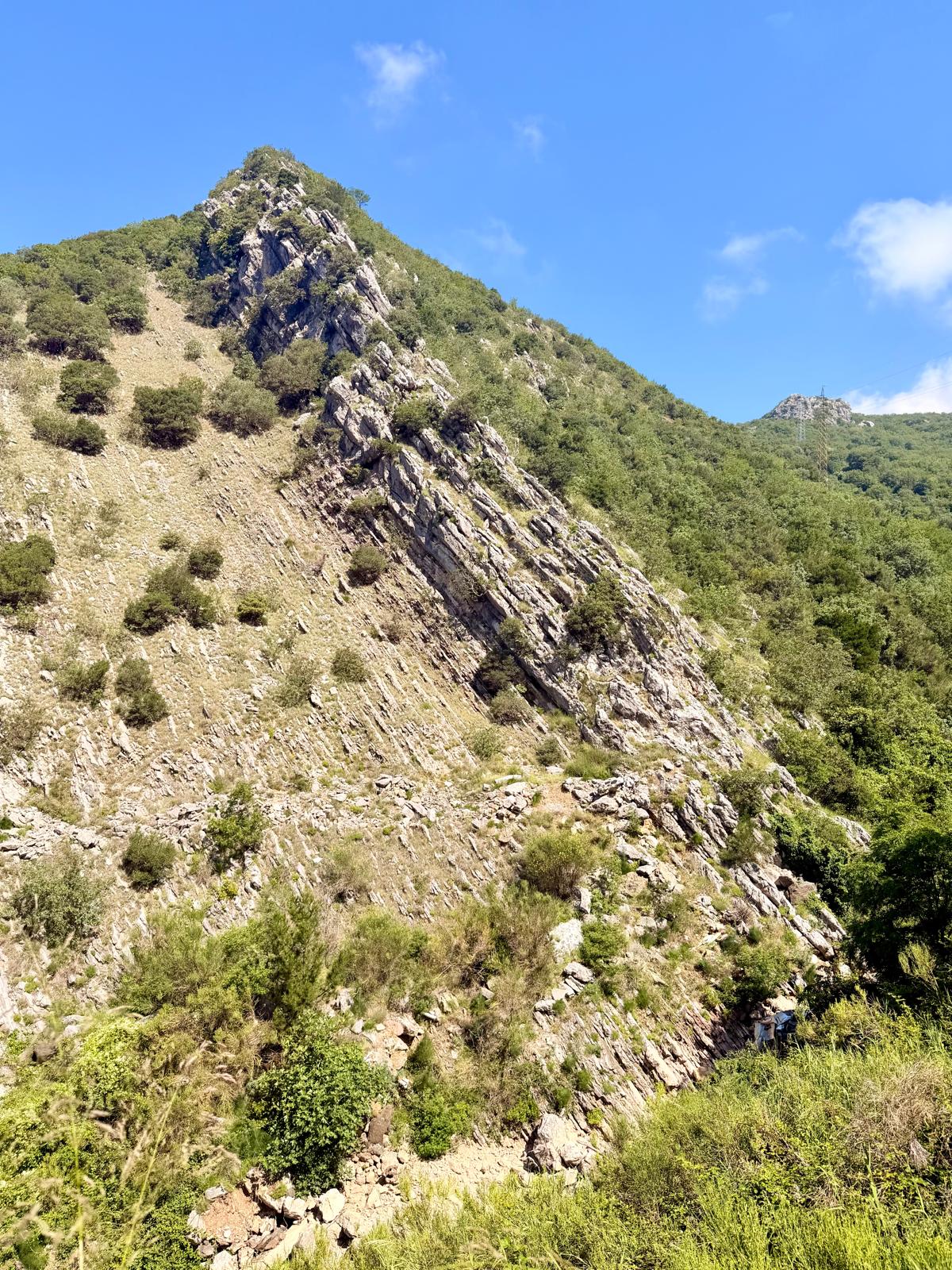

Not far from the waterfall (about half a kilometer) is a cemetery with the small Church of St. Nicholas. It is an Orthodox church dating back to the Middle Ages. It is one of the few churches with frescoes on the coast, and a monastery is said to have once stood here as well. The church is marked on both Venetian and Austro-Hungarian maps.
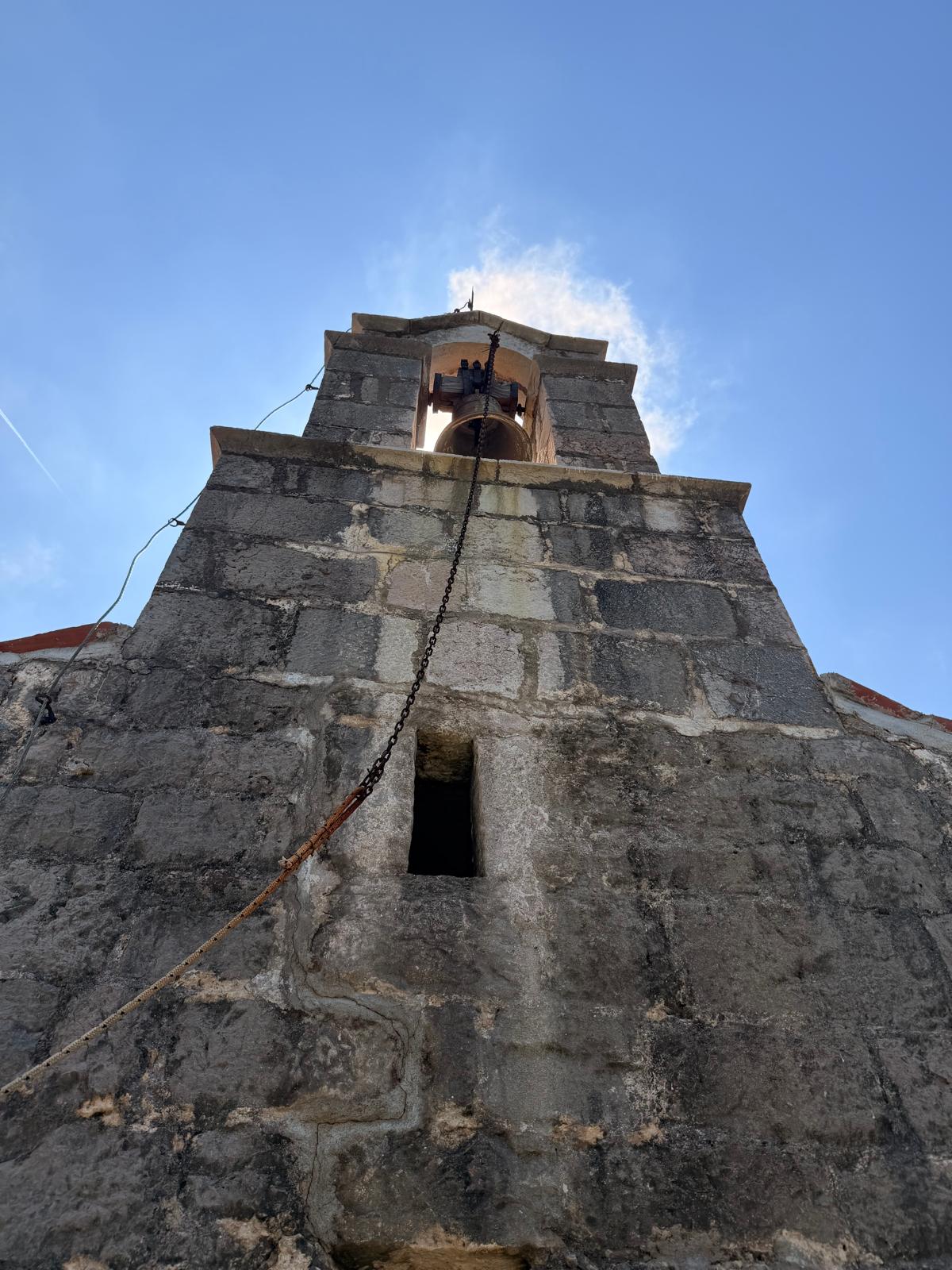
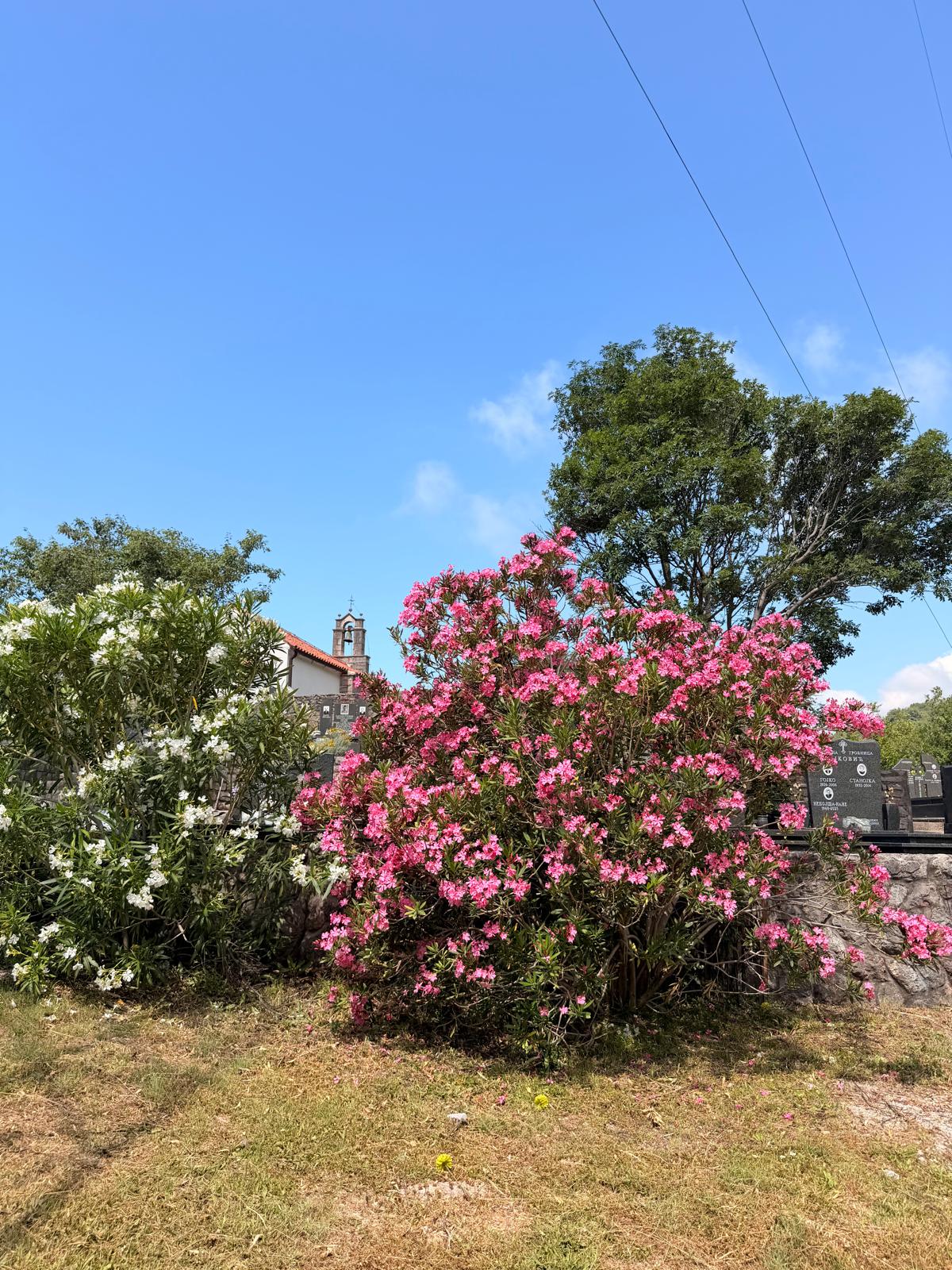
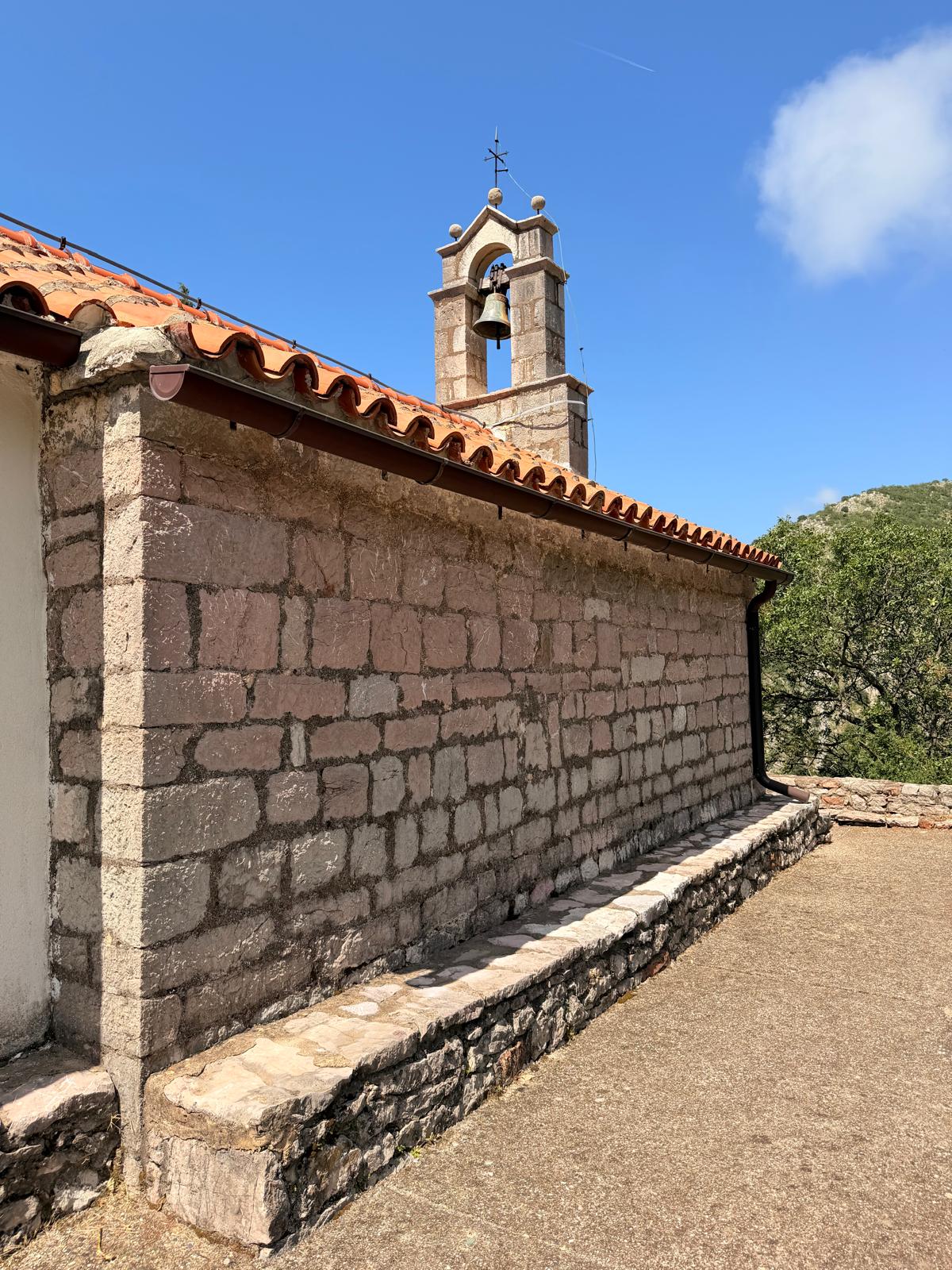
It is a quiet, picturesque place with views of Budva and the surrounding area.
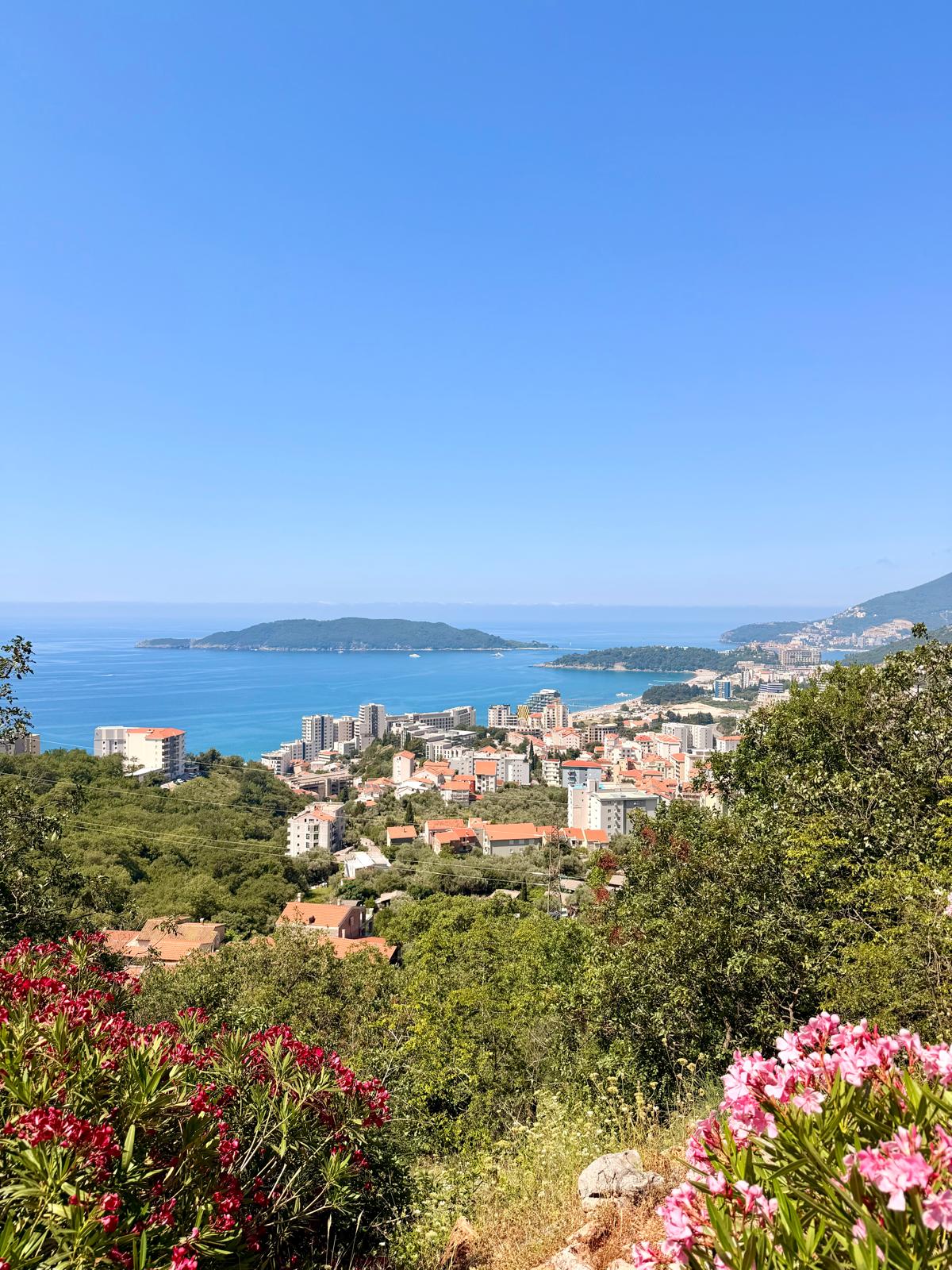
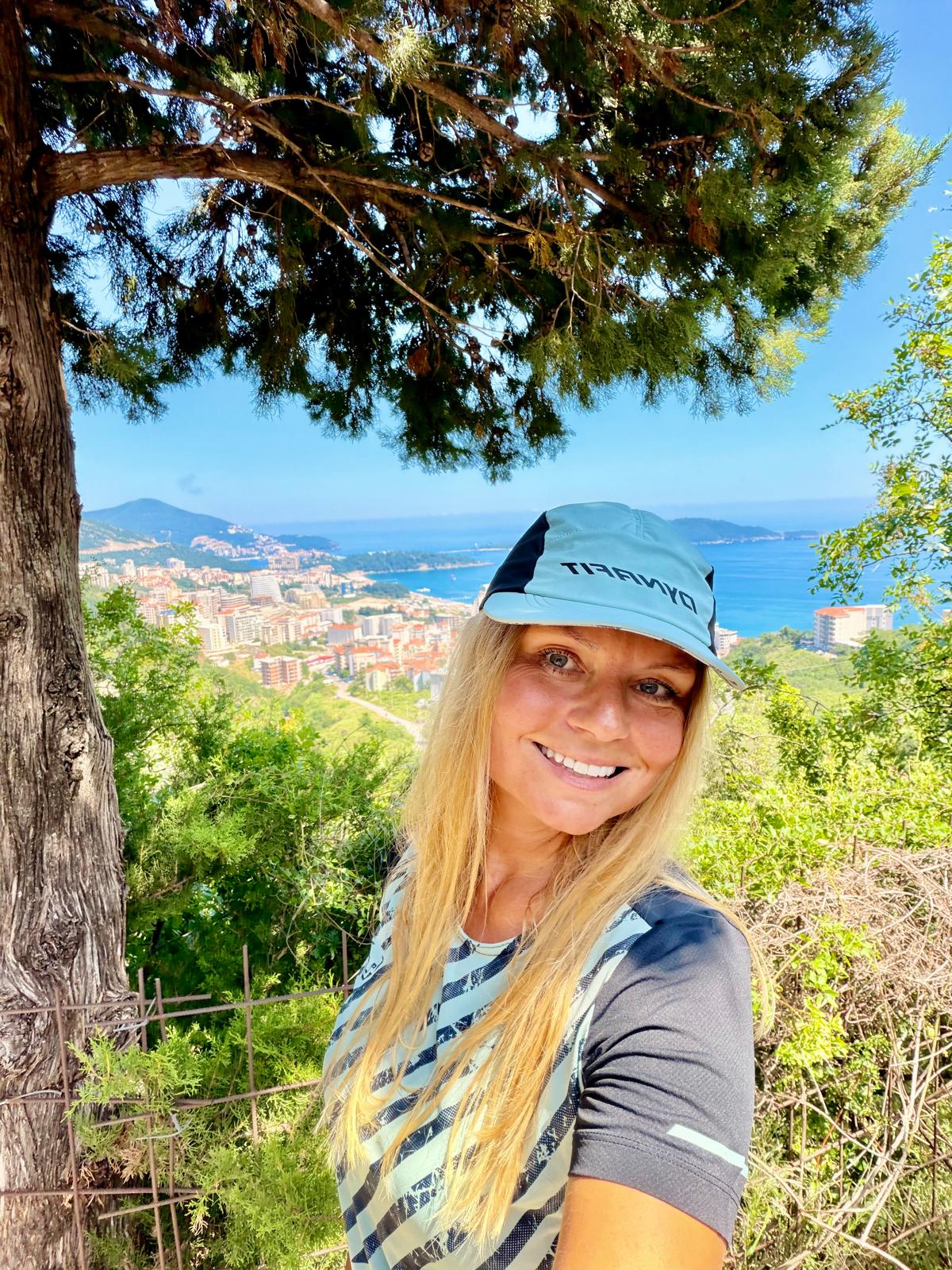
I hope I’ve inspired you in some way this time, too ☺ …
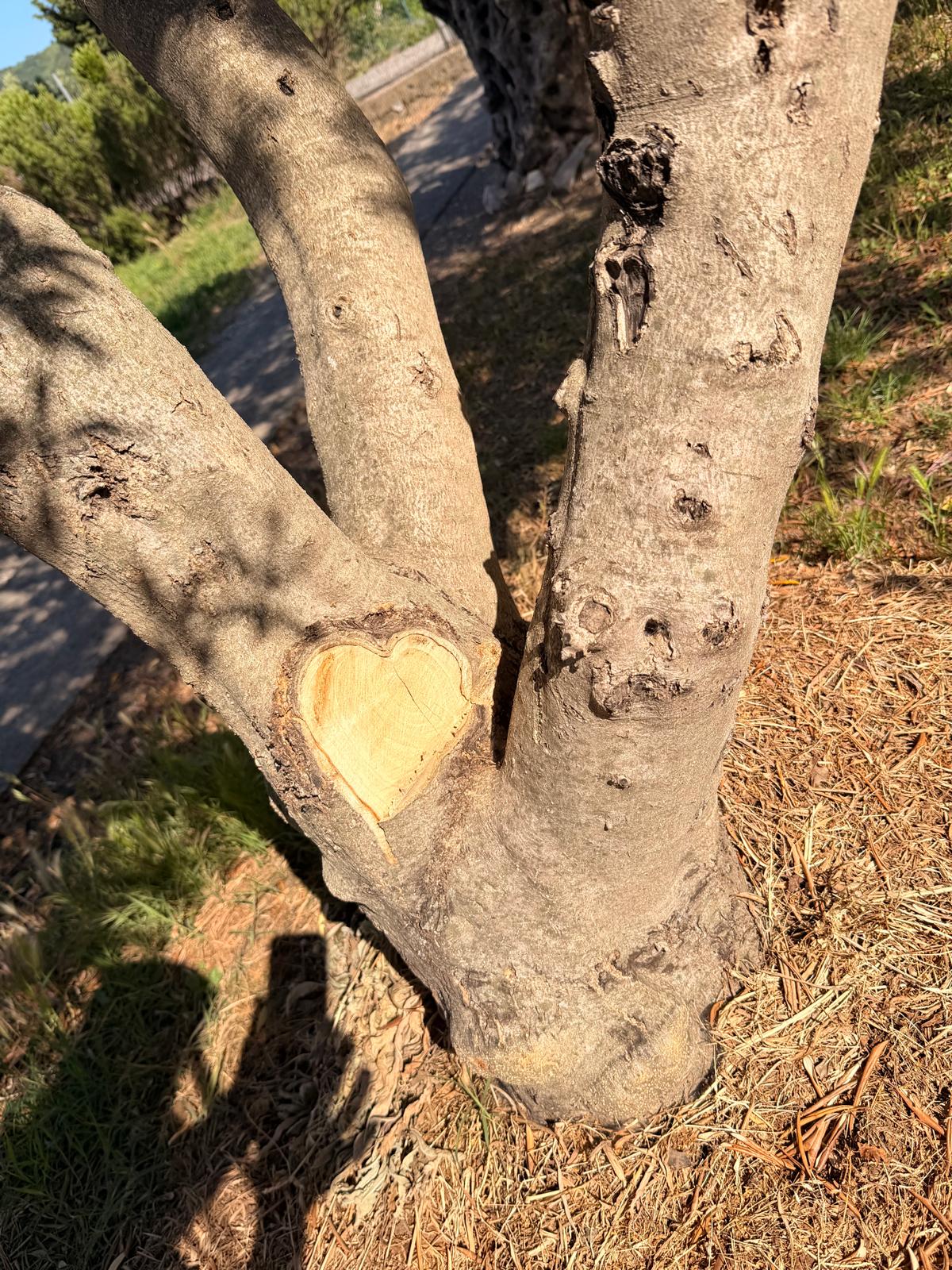
If you decide to follow in my footsteps and need advice on accommodations, food, hiking trails, or other ways to spend your time on the coast near Budva, feel free to contact me via email at ajka@uzisibalkaninak.com, my Facebook page “Enjoy the Balkans differently” or Instagram.
P.S.: All photos are mine and are protected by copyright  …
…


